Daily oral NAD+ for people who want the energy and longevity support without an injection.
From $180/mo
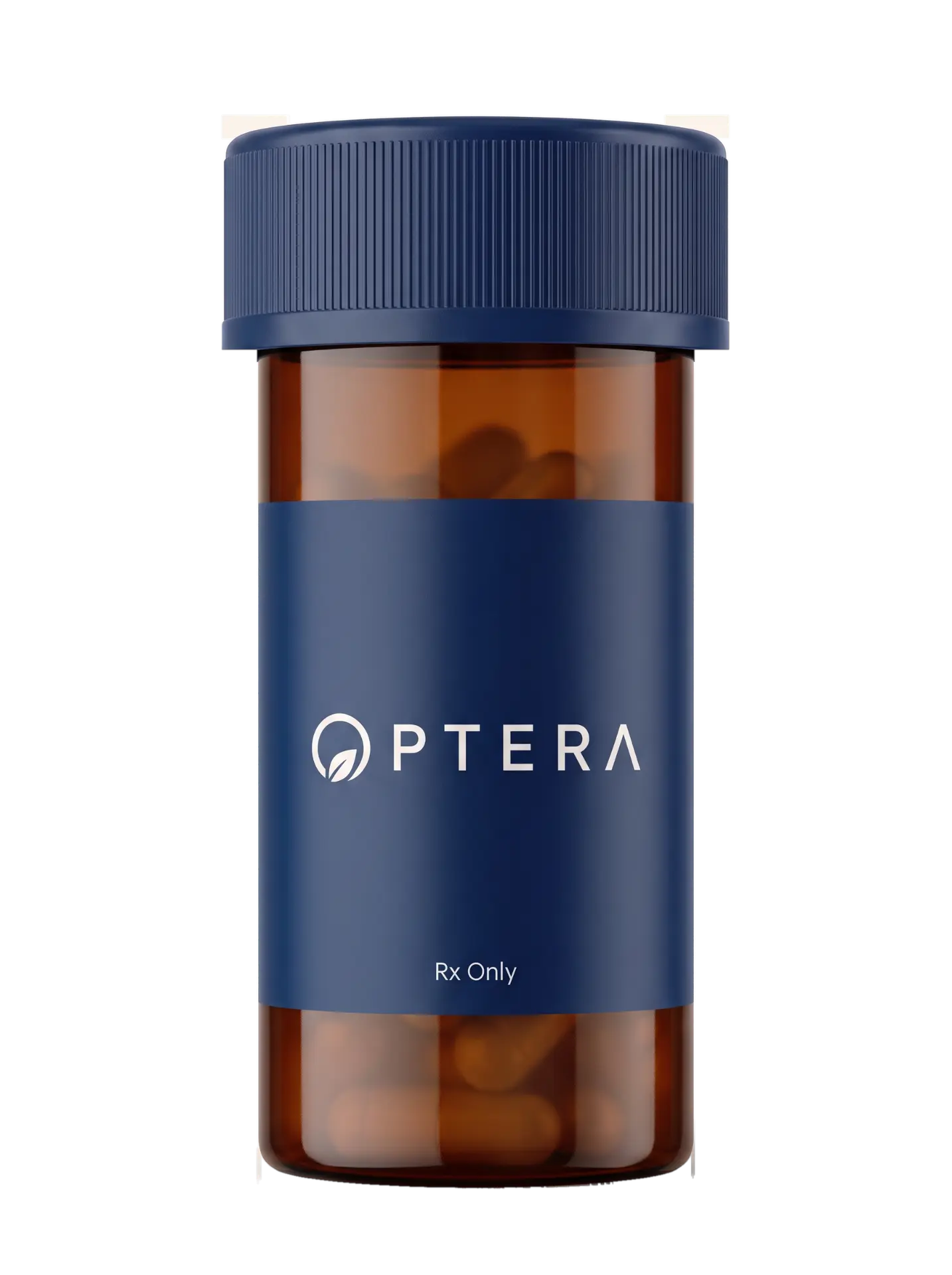
Oral semaglutide to support weight management through appetite regulation, in a once-daily tablet for patients who prefer not to inject.
FormSame medication. Pick how you take it.
Select your dose
Your provider sets and adjusts your dose. Select the strength you have been prescribed, or start with the lowest.
$195/mo
Billed monthly, cancel anytime.
Prescription treatments are dispensed only when clinically appropriate after provider review. Compounded medications are not FDA approved.
Commonly prescribed together. Add a second product for $60 off, or three for $120 off.
Daily oral NAD+ for people who want the energy and longevity support without an injection.
From $180/mo
The same copper peptide as our injectable formula in a convenient oral format.
From $156/mo
GLP-1 is a hormone your gut releases after you eat. It tells the brain you are full, slows how quickly the stomach empties, and prompts the pancreas to release insulin when blood sugar rises. Semaglutide is a GLP-1 receptor agonist: it binds to the same receptors as the hormone and keeps that signal active.
The result is less hunger, fewer cravings, and fullness that lasts longer after smaller meals, so eating less becomes easier to sustain. Because peptides are broken down in the stomach, the oral form is taken on an empty stomach with a small sip of water, and dosed daily rather than weekly.
Optera's oral semaglutide is compounded with pyridoxine (vitamin B6) at a US pharmacy in several strengths. Your provider starts you low and raises the dose gradually.


Why People Choose Oral Semaglutide
Oral semaglutide is prescribed for weight management alongside changes to diet and activity, for people who prefer a daily tablet to a weekly injection.
May reduce hunger and food cravings.
Helps you feel full sooner and for longer.
May support healthy blood sugar levels.
A once-daily tablet in place of injections.
Individual results vary and are not guaranteed.
What semaglutide does in the body over time.
Day 1
The medication activates GLP-1 receptors, slowing digestion and signaling fullness to the brain.

30 Days
Appetite and food cravings may quiet as your starting dose takes effect.

3 Months
As your dose is adjusted, steady weight loss and healthier blood sugar may follow.

6 Months
Continued appetite regulation supports sustained progress toward your goal.

1 Year and Beyond
Your provider adjusts your dose for maintenance and long-term metabolic health.
Timeline reflects the general mechanism and published research. Individual results vary and are not guaranteed.
100% online care, personalized dosing, and treatment delivered to your door.
What you can count on with every order.
No gray-market labeling
0
“Research use only” products sold by Optera
Regulated pharmacies
503(a)
Every prescription compounded at a licensed US pharmacy
Clinician-guided
100%
Of prescriptions reviewed by a licensed provider
Safety Information
Side effects are possible with any medication. Read the full safety information for semaglutide and discuss all medications with your provider.
Compounded medication
Compounded products are not FDA approved. Optera provides compounded semaglutide from US-licensed 503(a) pharmacies only. It is not the brand-name product and has not been evaluated for the same safety and effectiveness.
Thyroid warning
In animal studies, semaglutide caused thyroid C-cell tumors. It is not known whether it does so in people. Do not use semaglutide if you or a family member have had medullary thyroid carcinoma or Multiple Endocrine Neoplasia syndrome type 2. Tell your provider right away about a lump or swelling in the neck, hoarseness, or trouble swallowing.
Common side effects
Nausea, vomiting, diarrhea, constipation, stomach pain, and reduced appetite, most often when starting or after a dose increase. Also headache, fatigue, and dizziness. Tell your provider about any side effect you think is related to semaglutide.
Serious side effects
Pancreatitis (severe stomach pain that may spread to the back), gallbladder problems, kidney problems from dehydration, low blood sugar (especially with insulin or sulfonylureas), changes in vision for people with diabetes, and allergic reactions. Stop and contact your care team if any of these occur.
Talk to your provider first
If you are pregnant, breastfeeding, or planning to become pregnant, if you have a history of pancreatitis, gallstones, or gastroparesis, if you have kidney or liver disease, if you take insulin or other diabetes medication, or if you have a history of depression or suicidal thoughts.
When to stop
Stop and contact your care team if you experience a severe reaction. For a medical emergency, call 911.

Answer a few questions and a licensed provider will tell you whether this is a fit.